Your Feed, Your Rules: The Invisible Line That Decides Who Gets to Stay
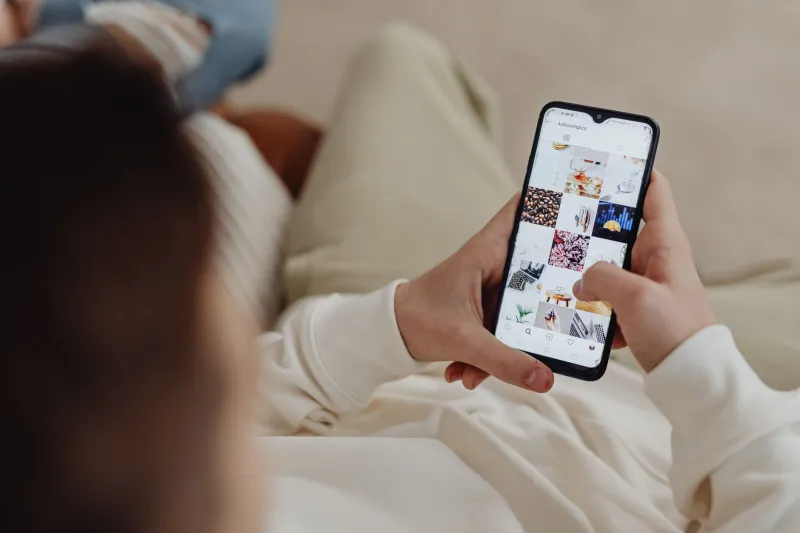
Nobody announces it. There's no dramatic exit, no goodbye post, no closure. One day your college roommate is in your feed cracking you up, and the next — after one too many unhinged election takes — they're just gone. Quietly removed. No hard feelings, no conversation. Just a cleaner scroll.
We've all been there. And we've all done it. The question nobody really asks is: where exactly is that line, and what does it say about us that we drew it?
The Threshold Is Personal — And It's Complicated
Here's the thing about the unfollow threshold: it's not one-size-fits-all. For some people, politics is the tripwire. For others, it's parenting content that veers into judgment. For a surprisingly large chunk of social media users, it's diet stuff — specifically the kind where someone discovers intermittent fasting and suddenly becomes your unsolicited nutritionist.
A 2023 Pew Research study found that roughly 41% of US social media users have unfollowed, unfriended, or blocked someone specifically because of posts about politics or social issues. But dig deeper and the numbers get more nuanced. Pew also found that people are more likely to mute than outright unfollow — meaning they're not cutting ties so much as quietly turning down the volume.
That distinction matters more than it sounds.
Mute vs. Unfollow: There's a Real Difference
Muting is the digital equivalent of nodding politely while your uncle rants at Thanksgiving dinner. You're still technically in the room. You haven't made a scene. You've just opted out of actually listening.
Unfollowing — or worse, blocking — is a whole different statement. It's a boundary with consequences. And depending on the platform and the relationship, it can be genuinely loaded.
People tend to mute when the content is annoying but the relationship has value. They unfollow when the content has started to actively change how they feel about the person. And they block when it's moved past discomfort into something that feels threatening or genuinely harmful.
So when someone's political takes push you from mute to unfollow, it's not really about the algorithm anymore. It's about the relationship itself shifting.
The Topics That Actually Pull the Trigger
Not all hot-button topics hit the same. Based on user behavior data and social listening research, here's roughly how the hierarchy breaks down for US users:
Politics and elections sit at the top. No surprise there — especially in the post-2016 era, when people's feeds turned into battlegrounds they never signed up for. Presidential election cycles reliably spike unfollow rates across every major platform.
Religion and faith-based content comes next, especially when it crosses into moral instruction directed at followers. People will tolerate someone sharing their faith. They'll tap out the moment it starts feeling like a sermon aimed at them.
Parenting philosophy is sneakier. The judgment tends to be implicit — someone posting about their attachment parenting choices or their kid's screen time rules doesn't have to say "you're doing it wrong" for people to feel like that's exactly what they're saying.
Diet culture and wellness content — especially the MLM-adjacent stuff — rounds out the top tier. The moment someone's "lifestyle change" starts looking like a sales pitch, the unfollow finger gets itchy.
So Is This Healthy or Just Comfortable?
Here's where it gets genuinely tricky. On one hand, curating your feed is a completely reasonable act of self-preservation. Nobody owes their mental bandwidth to content that stresses them out or makes them feel bad. The ability to filter your own experience is one of the few things social media actually got right.
But there's a flip side that's harder to sit with: when everyone is quietly removing everyone who challenges them, you end up in an information bubble so tailored to your existing worldview that it stops resembling reality.
Researchers at MIT have documented how algorithmic personalization, combined with individual curation choices, creates what they call "echo chambers of choice" — environments where people aren't just being fed comfortable content by platforms, they're actively building the walls themselves.
And the uncomfortable truth? That feels good. A curated feed is a peaceful feed. But peaceful isn't always the same as informed.
Just Sayin': Maybe the Unfollow Isn't the Problem
Look, nobody's here to tell you to keep following people who make your blood pressure spike every morning. That's not sustainable, and it's not what social media is supposed to be.
But maybe the real conversation isn't about whether to unfollow — it's about what we do with the tension before we get there. Because the unfollow button is a tool, not a solution. It handles the symptom without touching the cause.
The most interesting users aren't the ones who've built the most pristine, perfectly curated feeds. They're the ones who've figured out how to stay in the conversation without letting it wreck them — who can read a take they disagree with, roll their eyes, maybe even say something back, and then keep scrolling.
That's the actual skill. And honestly? It's getting rarer.
Your feed is yours. Protect it. But maybe every once in a while, let something uncomfortable in. Not because you owe anyone your attention — but because a little friction is the only thing standing between a curated feed and a closed mind.