The Confession Booth in Your Pocket: Why We Tell AI What We Won't Tell Friends
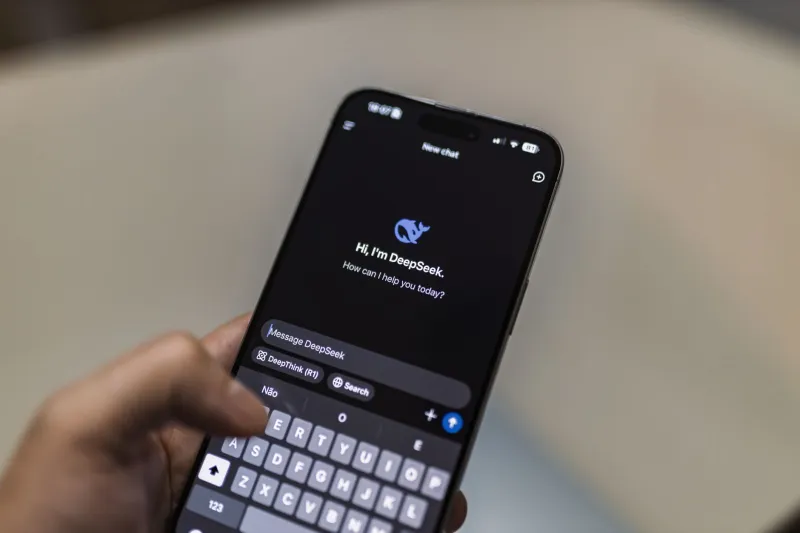
The 12:40 A.M. Confession
At 12:40 a.m., someone in America types a sentence they would never say out loud: 'I do not think my friends actually know me.' They send it to a chatbot. Then they switch apps and reply to a real friend's check-in with 'lol all good, just tired.'
That tiny two-screen shuffle is the honesty gap in action. We are not lying, exactly. We are routing our rawest material to a machine and our cleaned-up edits to the people who could actually sit with us at brunch. The chatbot gets the confession. The friend gets the press release.
This is not a niche habit anymore. AI companions and general-purpose chatbots have become part of the late-night routine for a lot of Americans. They are always awake, never awkward, and they do not have a group chat to report back to. That combination is powerful. It is also a little eerie, because the thing that makes a machine easy to talk to is the same thing that makes it a strange place to put your actual self.
The Machine Does Not Need a Follow-Up
A chatbot is a fantastic listener in the way a hotel front desk is a fantastic listener. It is there. It is polite. It will not make it weird tomorrow. You can say 'I am jealous of my best friend' or 'I think I am the problem in my family' and the machine will respond with something calm and structured. No side-eye. No 'wait, what?' No follow-up text three hours later asking if you meant it.
That is the appeal. Real people have stakes. They have opinions about your ex. They remember what you said last month. They might get hurt, bored, defensive, or weirdly competitive. A chatbot does not need anything from you, which feels like freedom until you notice that being needed is part of being close.
When you tell a machine your messiest thought, you get the relief of saying it without the risk of being known. That is not nothing. Sometimes it is exactly what you need at 1 a.m. But it is not the same as intimacy. Intimacy requires a witness who can talk back, and not just in a generated-paragraph way. It requires someone who might say, 'That does not sound like you,' or 'Okay, but you also did that,' or 'I am still here.'
Unfiltered Used to Mean Something Else
A few years ago, 'unfiltered' usually meant public. It meant the raw post, the messy caption, the voice note with no edits. Now unfiltered increasingly means private and machine-facing. We save the raw version for the bot and hand our friends a lightly edited draft.
The result is a new kind of politeness. We are not hiding big secrets so much as hiding small truths. 'I am lonely.' 'I am mad at you.' 'I do not know if I like my life right now.' Those sentences are not scandals. They are just heavy. And heavy is exactly what we tend to offload to something that will not flinch.
There is a practical upside here. A chatbot can be a warm-up. It can help you name a feeling before you bring it to a human. That is fine. The problem starts when the warm-up becomes the whole conversation. If every hard thing gets processed by a machine and every human gets the summary, your friends are not actually your peers anymore. They are your audience.
What We Lose When Nobody Can Talk Back
A machine can reflect your feelings, but it cannot surprise you with its own. It can validate, but it cannot really disagree in a way that costs something. It can remember details, but it cannot decide you are worth remembering. Those limits matter because peer-to-peer communication is built on mutual risk. You say something real; I respond with something real; we both find out if the relationship can hold it.
That is the part we are quietly skipping. We tell the bot the thing we are ashamed of. We tell the friend the thing that makes us look fine. Then we wonder why the friendship feels a little thin. It is not because our friends are shallow. It is because we have been sending them the edited version and calling it honesty.
The Just Sayin' idea is not that every thought needs a public audience. It is that casual, unfiltered expression works best when it lands with someone who can actually answer. A small room of real people beats a perfect machine listener if what you want is to be known. The machine is a confession booth with no priest and no line outside. Useful. Convenient. But not the same as being met.
A Small Experiment
This week, try one messy sentence with a human. Not a confession dump. Not a group chat performance. Just one true thing: 'I have been feeling weird lately.' 'I am not actually fine.' 'I think I need to talk about this.' Let a friend be the one who has to figure out what to do with it.
You can still use the chatbot. Warm up. Rant. Organize your thoughts. But do not let the machine become the only place where your real voice gets practice. The whole point of saying something is that somebody can say something back.