The 2 AM Draft Folder: Where Your Most Honest Self Goes to Disappear
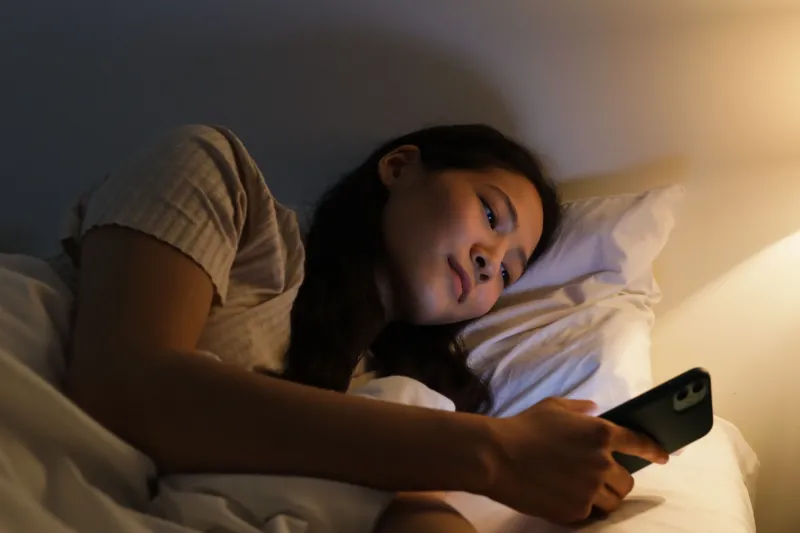
It's 2:14 AM and somewhere in America, millions of people are typing paragraphs they will never send. A text to an ex. A rant about a boss. A birthday message to a friend who let them down three years ago and never acknowledged it. The thumbs move, the words pile up, and then — nothing. Delete. Or worse, save.
The draft folder might be the most honest place on the internet. Nobody's performing for an audience of zero. And yet that's exactly where our truest thoughts go to die.
The Psychology of the Unsent
Dr. Elena Vasquez, a behavioral researcher who studies digital communication patterns, says unsent messages are less about indecision and more about self-regulation. "Composing the message does the emotional work," she explains. "People get the catharsis of articulating the feeling without absorbing the social consequences of sending it. The draft is the pressure valve."
In other words, we're not failing to communicate. We're communicating with ourselves.
Her research suggests the average smartphone user composes multiple messages per week that never leave the device. The most common categories? Conflict, confession, and grief — the three things we're worst at saying out loud and most desperate to get out of our heads.
What Holding Back Actually Costs
Here's the uncomfortable part: some of those drafts deserved to be sent.
Marcus, 34, a project manager from Ohio, keeps a note titled "Things I Should've Said to My Dad." His father passed in 2021. "There's a whole letter in there. Wrote it maybe five times. Never sent it because it felt too heavy for a Tuesday." He's not alone. Researchers call this "premature self-censorship" — pulling the trigger on our own expression before anyone else gets the chance to reject it.
The cost compounds. Unsent apologies become permanent misunderstandings. Unsent compliments become missed connections. Unsent boundaries become resentment with a long memory.
What Holding Back Protects Us From
And yet.
The same draft folder that swallows our courage also catches our worst impulses. That scorching reply to your cousin's political post? The 3 AM "we need to talk" to a partner mid-spiral? Some messages are written by our emotions and shouldn't be delivered by them.
Vasquez puts it plainly: "The discard pile is doing double duty. It's holding back the things you'll regret and burying the things you'll never get another chance to say. The tragedy is that both look identical at 2 AM."
A Rule Worth Stealing
Try this: the 12-hour draft. Anything written after 10 PM sits until morning. Then reread it with one question — is this message trying to connect, or just trying to discharge?
If it's connection, send it. Even if it's clumsy. Especially if it's clumsy. The people who matter can handle a messy, honest sentence delivered on a Tuesday.
The rest? Let the draft folder keep it. Somebody has to hold our unfiltered truth, and apparently it's a folder nobody else will ever see. Just sayin'.