You Said It Better Out Loud: The Case for the Unedited Voice Note
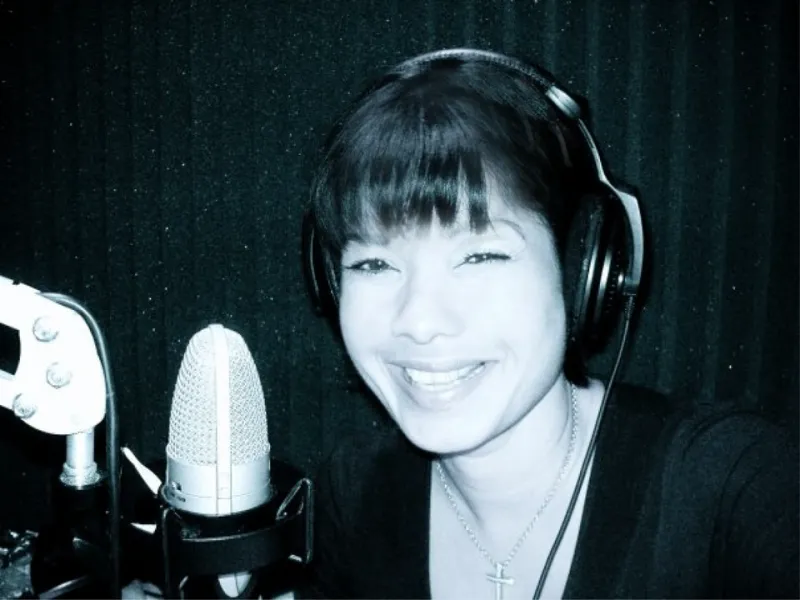
Photo: Dionnejsf, CC0, via Wikimedia Commons
There's a specific kind of message that starts with a sigh and ends with 'anyway, that's it, bye.' It's 47 seconds long. It's a voice note. And it probably contains more honesty than the last three texts that person sent you combined.
We've spent two decades learning to compose ourselves in writing. We draft, we delete, we reread for tone, we add a hedge so it doesn't sound like a hedge. Then someone hits record and skips all of that. The result is messy, tonal, occasionally 90 seconds too long — and closer to how people actually think.
The gap between typing and calling
Texting rewards editing. Calling demands availability. Voice notes ask for neither, which is exactly why they've become the default middle child of digital communication. You can send one while walking the dog, unloading the dishwasher, or lying in bed at 12:40 a.m. deciding whether you're brave or just tired.
That half-step matters more than it sounds. A phone call is a commitment — both people have to be free at the same time, and there's no backspace if you start crying or laugh at the wrong moment. A text is a performance with unlimited takes. Audio is the one place where you're expected to be imperfect, so people stop trying to be perfect.
Why the sound of your own voice is so brutal
Most people hate hearing themselves recorded, and the science behind that is pretty mundane. When you speak, you hear your voice partly through your skull, which warms up the low frequencies. A recording only gives you the version that travels through air, which sounds thinner and stranger. Nothing is wrong with your voice. Your ears are just used to a different mix.
That discomfort is the toll you pay for the honesty. Because once you stop cringing at your own tone, you notice something: hesitation is information. A pause before the word 'fine' tells you more than the word itself. A laugh in the middle of a sentence about your job tells you the laugh is the point. Written text flattens all of that into punctuation, and punctuation lies constantly.
The 47-second sweet spot
Nobody set the limit, but the culture figured it out. Around 40 to 60 seconds is long enough to say a real thing and short enough that the other person doesn't need to schedule it. The two-minute ramble has its place — usually between close friends, usually after something has gone sideways — but it works because it's rare.
A few habits that keep the format alive:
- One topic per note. The grocery list, the apology, and the funny thing that happened at Target do not belong in the same recording.
- Front-load the point. If the first ten seconds are throat-clearing, people start scrubbing.
- Match the medium to the person. Some people reply in audio. Some reply in text. Forcing the exchange into your preferred format is how a nice habit becomes a chore.
Voice note etiquette, since apparently we need it
- Don't send audio for something that needs a record. If you're canceling plans, declining a work thing, or setting a boundary, write it down. Audio is warm, but it's also deniable.
- Never open with 'we need to talk.' That's a phone call, not a note. Don't make someone wait 47 seconds to find out how bad it is.
- Skip the 1 a.m. stack. Three voice notes in a row at that hour reads as urgent whether you meant it or not.
- Don't use it as a shield. Saying something out loud doesn't make it more accountable. A rambling apology with no specific ask is still a rambling apology.
- Assume it can be replayed, saved, or forwarded. Because it can. Warm and unfiltered is not the same as private.
What audio actually gets back for us
Just Sayin' exists on the idea that people want somewhere to say the unfiltered version without an audience grading it. Voice notes are that idea with a play button. They're small, they're private by default, and they reward the kind of talking that doesn't survive a text box.
So yes, the 47-second message with the sigh and the tangent and the abrupt sign-off is a little much sometimes. It's also the closest thing we've got to sitting across from someone and just saying the thing. That's worth a little cringe.